Abstract Shape Embroidery Design File Review for Real Projects
If you're an embroidery designer or a small business owner who’s always on the lookout for versatile design files that can elevate your handmade products, you’ve probably come across the Abstract Shape Embroidery Design File. This design is positioned as a modern art piece suitable for a wide range of items—from t-shirts to tote bags and pillow covers. But how does it really perform when stitched into real projects? As someone with years of experience in machine embroidery and product reviews, I took a closer look at this file before using it in my next batch of custom sweatshirts and baby apparel.
First Impressions: Mood and Visual Personality
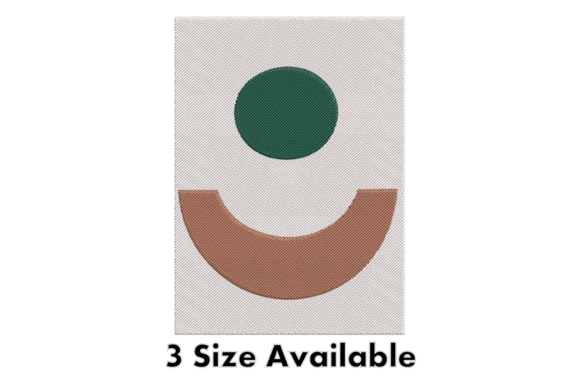
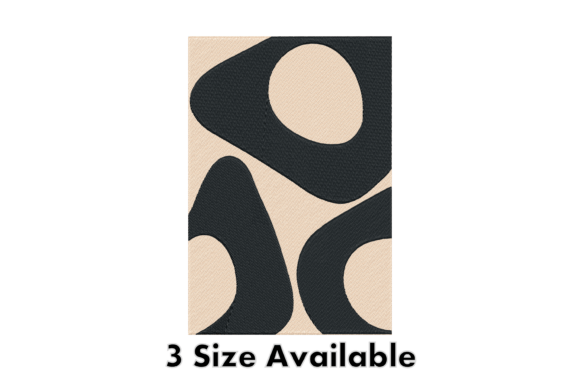
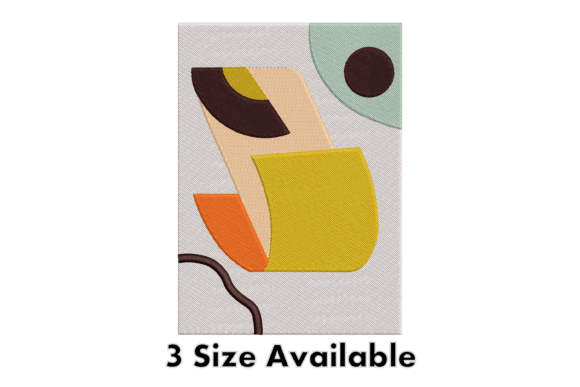
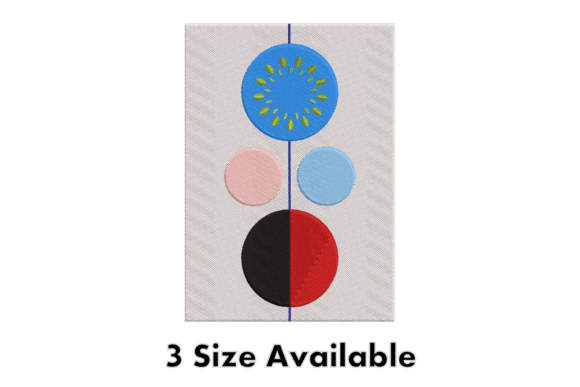
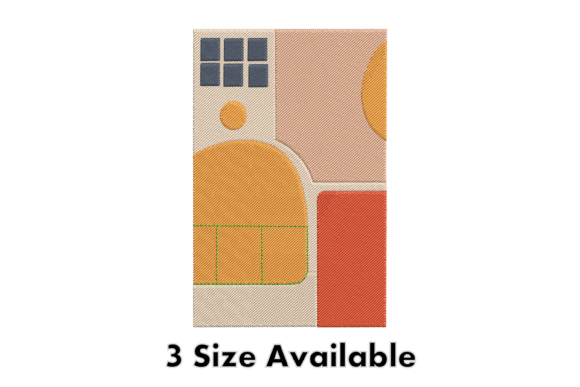
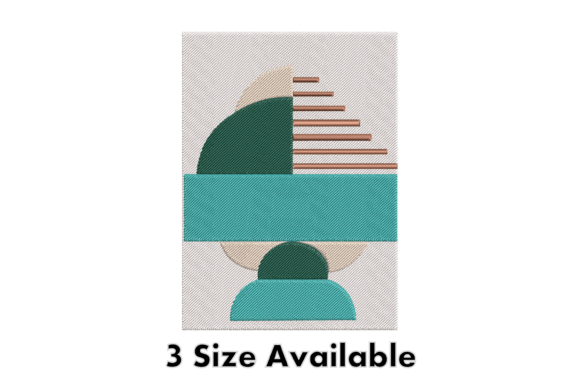
Opening the digital embroidery file, the first thing that stands out is its bold yet balanced layout. The abstract shapes are arranged in a way that feels intentional but not overwhelming. There's a sense of movement and rhythm in the composition, which gives it a contemporary edge—perfect for those aiming to add a touch of sophistication to their handmade product lines.
The theme is clearly geometric and artistic, with smooth curves and sharp angles coexisting in harmony. It doesn’t lean too heavily on intricate details, which makes it feel adaptable rather than niche. The visual personality is clean, confident, and subtle enough to work with both casual and more refined styles. For someone like me who regularly creates sweatshirt embroidery or tote bag design elements, this kind of balance is key—it allows the design to speak without shouting.
What Kind of Project Does It Belong To?
This machine embroidery design naturally fits into modern lifestyle brands, boutique collections, and personalized gifts. Think of it as a minimalist statement piece—ideal for adding character to everyday items like t-shirts, aprons, or decorative pillows. Its versatility also makes it a strong candidate for holiday gifts or nursery decor, where abstract visuals often resonate well with current trends.
Real-Life Performance: Stitching Into Purposeful Products
I tested the Abstract Shape Embroidery Design File on a few different substrates and applications to see how it holds up under practical conditions. Here's what I found:
- Tote Bags & Pillow Covers: The design stitches cleanly and maintains its shape even on slightly textured fabrics. It adds a modern flair without being too busy, making it perfect for craft business items that need to be both functional and stylish.
- Sweatshirts & T-Shirts: On cotton blends and heavier knits, the abstract shapes look great with proper stabilizer. The stitch density is moderate, so it doesn't overstuff the fabric unless you’re working with very tight weaves.
- Baby Clothes & Aprons: While the design isn’t overly detailed, its soft curves and structured edges can give a playful yet elegant vibe to children’s wear or kitchen accessories. Just make sure to test it on thin fabric or delicate materials beforehand.
- Patches & Caps: Curved surfaces like caps or embroidered patches may require some tweaking to the placement or hoop size. The design doesn’t have tiny lettering, so it translates better to these formats than highly text-based files would.
In terms of stitch clarity, the file uses a combination of satin and fill stitches effectively. The outlines are crisp, and the fills don’t bleed into each other, which is a relief for someone who values precision in their embroidery project outcomes.
Customer Reactions and Market Fit
When I showed the test pieces to a group of potential customers—especially those interested in personalized gifts and Etsy sellers looking for standout designs—the reaction was positive. Many appreciated the modern aesthetic, while others asked if it could be paired with more traditional elements. That tells me it’s a safe bet for small shop product lines that want to blend creativity with approachability.
As a commercial embroidery asset, this file has the potential to enhance branding efforts. Its clean structure works well with color blocking and monochrome schemes, giving it broad appeal for design assets used in multiple product types.
Where Caution Is Needed
While the Abstract Shape Embroidery Design File is impressive in many contexts, there are a few areas where it needs careful handling:
- Small Hoop Sizes: The design’s overall footprint is on the larger side, so avoid trying to fit it into mini hoops unless you’re willing to scale down significantly and risk losing detail.
- Textured or Stretchy Fabrics: These can distort the shapes if not stabilized correctly. Use a tear-away or cut-away backing depending on the material to maintain the integrity of the abstract shapes.
- Dark Fabric Backgrounds: The default thread colors provided in the file might not pop as expected. Consider changing the palette to something with higher contrast for maximum visibility.
- Frequent Washing: If you plan to use this design on items like tea towels or baby clothes, ensure that the threads used are durable and won’t fade quickly after repeated washing.
Testing Before Sticking
Before committing to a full production run, I recommend testing the design on scrap fabric that matches your intended project. Pay attention to how the stitch density interacts with the fabric texture. Also, inspect the corners and any overlapping sections for possible distortion or puckering.
A quick tip I always follow: create a black-and-white mockup to evaluate how the design will look with different thread colors. This helps visualize whether the visual appeal remains consistent across various colorways and fabric shades.
Design Impact on Branding and Customer Engagement
Using the Abstract Shape Embroidery Design File can subtly boost the perceived value of your finished product. Its modern look aligns well with lifestyle and fashion-forward brands, especially those targeting millennials or Gen Z audiences. It can serve as a signature element in your brand consistency strategy, appearing on everything from custom apparel to promotional Embroidered Patch items.
For Etsy sellers and creative entrepreneurs, this design can help differentiate your offerings in a crowded market. Its artistic nature makes it giftable and collectible, increasing buyer engagement and repeat sales. However, remember that customer trust hinges on quality—so always ensure your setup and execution meet high standards.
Handmade Presentation and Professionalism
One of the strengths of this design is how it enhances the handmade presentation of a product. Whether you're creating a holiday gift or a curated collection for a craft fair product, the abstract forms lend a professional, polished look. They’re not too literal, so they allow buyers to project their own meaning onto the design, which can increase emotional connection and satisfaction.
Designer Notes for Practical Use
Here are a few things I picked up while evaluating this file:
- Always test on scrap fabric before stitching on final garments or textiles.
- Review the stitch density settings to match your machine and fabric type. Too dense and it’ll pill; too loose and it’ll lack definition.
- Check the recommended hoop size (if available) and adjust accordingly. If not specified, start with a mid-size hoop and go from there.
- Inspect the file format compatibility with your embroidery software. Some machines interpret files differently, so confirm it works with your system before purchasing.
- Use a good-quality stabilizer to prevent shifting or distortion, especially on stretchy or lightweight materials.
- Confirm whether the file comes with commercial-use licensing. If not, you’ll need to secure one before selling digital product previews or finished goods.
Pairing Suggestions and Creative Uses
While the design stands on its own, it pairs beautifully with minimalistic typography or smaller decorative accents. You could use it as a background motif on a printable mockup or combine it with initials for a personalized touch. For apparel decorators, consider placing it asymmetrically on a sleeve or chest area for a dynamic effect.
It’s also worth considering how the design responds to different lighting environments. In bright light, the thread colors appear vibrant; in low light, they take on a softer, more subdued tone. This duality makes it ideal for holiday gifts or wedding gifts that might be displayed in varying settings.
Final Thoughts for Embroidery Product Creators
The Abstract Shape Embroidery Design File is a solid choice for anyone looking to bring a modern, artistic touch to their embroidery project portfolio. It’s not flashy, but it’s far from forgettable. When applied thoughtfully, it can elevate the product value and create a memorable handmade product that speaks to today’s design-savvy consumers.
That said, don’t underestimate the importance of preparation. This file may not be the best fit for every surface or fabric type, so take the time to understand its limitations. And above all, make sure you’re clear on licensing terms before listing it as part of your digital product seller offerings or including it in your commercial embroidery work.
With the right approach, this design can become a valuable asset in your creative toolkit. Just keep your eyes open for the subtleties that matter most in real-world embroidery applications—and you’ll find it shines exactly where it should.