Devil Embroidery Design Review for Craft Fair Success
If you're preparing your craft fair booth and looking for a design that commands attention, the Devil Embroidery Design - Mascot School is definitely one to consider. As an experienced embroidery designer with years of experience creating standout pieces for handmade markets and Etsy shops, I've had the chance to review this machine embroidery design in detail before turning it into real products for my weekend sales.
First Impressions: Bold and Sinister Appeal
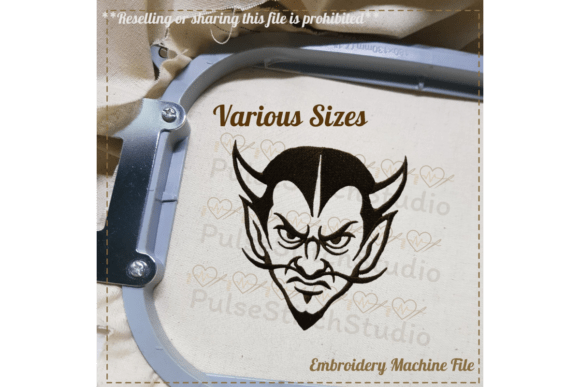
The moment I unzipped the digital embroidery file for Devil Embroidery Design - Mascot School, I knew it had potential. The title alone — "Devil Face" — suggests edgy, high-contrast visuals, and the description confirms it. This design is sharp, sinister, and full of attitude. It doesn't play it safe, which is exactly what makes it memorable. For craft fairs and handmade markets, standing out is key, and this devil face has a strong visual identity that screams confidence and style.
It feels more like a modern mascot than a traditional Halloween icon. That's a nice balance because it gives you room to market it beyond seasonal themes. Whether you're aiming for bold apparel or statement accessories, this design brings a unique flair that’s perfect for the small shop product creator who wants their booth to pop.
Where It Shines on Craft Fair Products
I tested the Devil Embroidery Design - Mascot School across a variety of fabric-based items commonly found at craft fairs. Here's how it performed:
- Tote Bags: The devil face works beautifully as a central graphic. Its high contrast ensures it stands out even from a distance, making it ideal for drawing customer attention to your booth.
- Aprons: Placed near the pocket area, the design adds a fun and edgy touch without being overwhelming. It’s great for kitchen-themed apron embroidery and appeals to customers who love quirky, farmhouse-style designs.
- Tea Towels: The design looks surprisingly good on textured cotton tea towels. The stitch density is tight enough to maintain clarity but not so thick that it damages the fabric texture.
- Embroidered Patches: These are a must-have for any booth. The devil face patch is eye-catching and versatile — customers can sew it onto backpacks, jackets, or denim for a quick customization option.
- Caps and Hats: The curved surface presents a challenge, especially with tiny details. However, when stitched correctly with the right stabilizer and hoop size, the devil face maintains its shape and impact.
- Fabric Pouches and Pillow Covers: On smaller pouches, the design becomes a subtle accent, while on larger pillow covers, it acts as a bold focal point. Either way, it elevates the perceived value of the finished product.
- Market Bags and Giftable Items: For those targeting a more premium look, stitching the devil face on dark-colored canvas or linen bags gives it a dramatic edge. It's also a great fit for handmade gifts aimed at teens and young adults who appreciate a bit of rebellion in their style.
Booth Display Strength and Customer Engagement
When placed on a display table alongside other embroidery files and finished products, the Devil Embroidery Design - Mascot School immediately grabs attention. Its boldness and clear silhouette make it easy to spot from across the aisle. Customers tend to pause and ask questions about it, especially when it's embroidered on tote bags or patches. This curiosity leads to higher engagement, which is essential for selling handmade products in competitive environments.
For Etsy sellers and digital crafters, this design can be a standout listing if paired with the right printable mockups. The high-contrast nature of the devil face translates well into photos, helping your craft fair product listings look professional and appealing online.
Practical Production Considerations
Before adding any design to your production list, it's important to evaluate how practical it is to stitch and sell. Let’s break down some key points for the Devil Embroidery Design - Mascot School:
- Design Clarity at a Glance: The devil face is instantly recognizable. There's no confusion or ambiguity in the shape or expression, which is crucial for fast decision-making by shoppers.
- Size Versatility: It functions well both as a small accent (e.g., on a cap or pouch) and as a large focal piece (like on a tote bag). However, due to its intricate features, it may lose some definition when scaled down too much. Test it on scrap fabric before finalizing sizes for mass production.
- Photography Potential: Thanks to its high-contrast look, the design photographs exceptionally well. Use white or black backgrounds to highlight the thread colors and create a cohesive visual theme for your handmade shop listings.
- Batch Production Feasibility: While the design is detailed, it’s repeatable enough for multiple items in a line. Just ensure you use the correct stabilizer and adjust stitch density for different fabrics to avoid puckering or distortion.
What to Watch Out For
Despite its strengths, there are a few considerations to keep in mind when using this design:
- Dense Stitch Areas: Some sections of the devil face have heavy stitch coverage. This could cause issues with thin or stretchy fabrics. Always test on similar materials before moving into full production.
- Tiny Details: The facial features and any included lettering require precision. If your machine struggles with fine stitches, consider simplifying the design slightly or adjusting the stitch type for better results.
- Dark Fabric Contrast: Since the description mentions high-contrast, dark-colored fabrics are recommended. Lighter shades might make the design less visible and reduce its impact.
- Curved Surfaces: When working with caps or curved textiles, make sure the design aligns properly. You may need to manually adjust placement or use specialized software to warp it subtly for better fit.
- Commercial Licensing: Before selling finished products, always confirm the licensing terms for the digital embroidery file. If commercial use isn’t permitted, you’ll need to source a version that allows it.
Boosting Product Value and Brand Consistency
Using the Devil Embroidery Design - Mascot School consistently across a range of products helps build brand recognition. Think of it as your signature edgy aesthetic. Pair it with other similarly styled embroidery files to create a cohesive line that speaks to a specific audience — maybe teens, college students, or fans of alternative fashion.
This design enhances the handmade quality of your items simply by virtue of its uniqueness. Unlike generic stock graphics, it feels custom and exclusive, which can justify a higher price point for your small shop products. It also works well with other craft fair product elements like metallic thread accents or vintage-style trims, depending on your overall booth theme.
Creating Booth Samples and Mockups
As part of my preparation, I created a few booth samples using the devil face design. One was a black tote bag with silver thread; another was a red apron with gold outlines. Both were incredibly popular during setup previews with fellow handmade market vendors.
I recommend creating at least one real mockup before the event. A physical sample helps you see how the design interacts with fabric texture and lighting. Also, don’t forget to compare how it looks on different colored bases — sometimes a design shines more on certain threads or materials than others.
Final Thoughts for Embroidery Business Owners
In short, the Devil Embroidery Design - Mascot School is a powerful addition to your embroidery business toolkit. It brings bold character, fits a wide range of applications, and has the potential to become a top seller at your next craft fair or Etsy listing.
However, success depends on thoughtful execution. Take time to check thread colors, review spacing in the design, and confirm hoop size requirements. Each step impacts the final outcome, and the devil is in the details — literally!
If you're looking to add a little edge to your machine embroidery design collection, this one deserves a spot. Just remember to treat it with care, especially when dealing with small lettering or thick, textured fabrics. With the right approach, it can elevate your commercial embroidery offerings and help your booth stand out among the competition.
So go ahead — give it a try. But don’t skip the test run on scrap fabric first. After all, every great finished product starts with a smart plan and a little devilish charm.